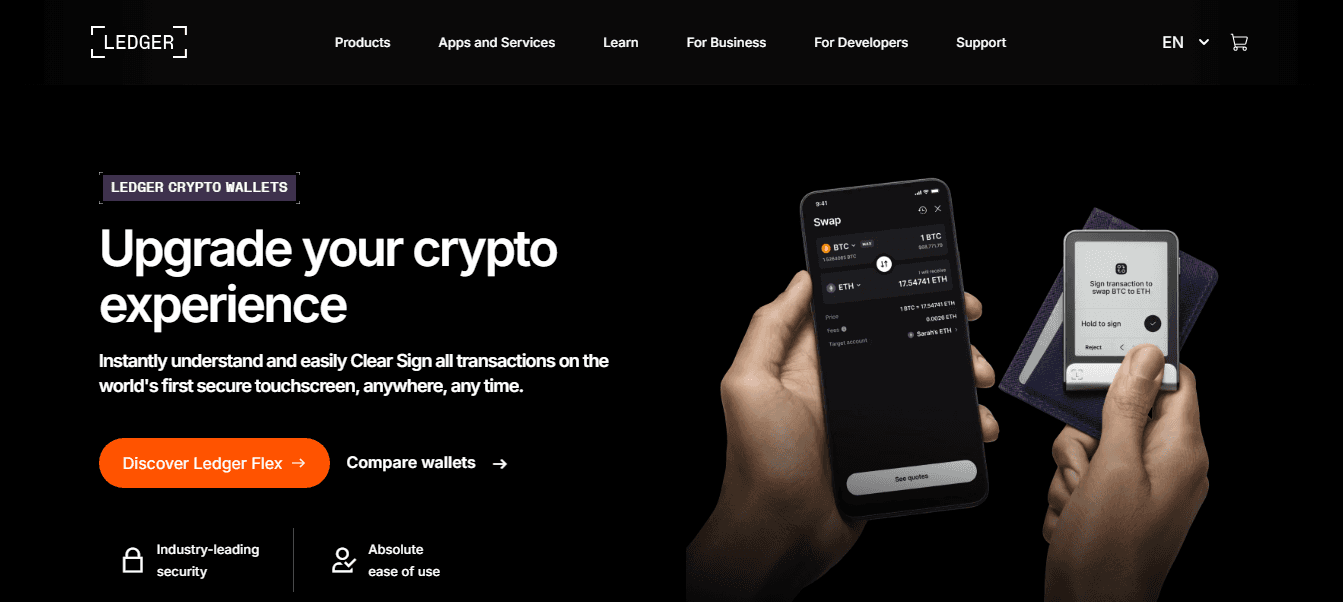
Ledger Login: A Complete Guide to Secure Cryptocurrency Access
In the fast-paced world of cryptocurrency, security is not optional—it is essential. Hackers, malware, and phishing attempts are constant threats, and digital wallets need robust protection. One of the most trusted solutions is a hardware wallet, and Ledger is a leading name in this space. Understanding how to log in to your Ledger wallet securely is crucial for safely managing your digital assets.
This guide provides a detailed overview of Ledger login, explains its security features, addresses common issues, and offers best practices for cryptocurrency management.
Understanding Ledger
Ledger is a hardware wallet designed to store cryptocurrency private keys offline. Unlike software wallets or exchanges, Ledger ensures that your keys never leave the device, making it significantly harder for hackers to steal your assets.
Ledger supports multiple cryptocurrencies, including Bitcoin, Ethereum, and thousands of ERC-20 tokens, and it can be managed using the Ledger Live application available for desktop and mobile platforms. Key features of Ledger wallets include:
Secure offline storage of private keys
Sending and receiving cryptocurrency securely
Managing multiple accounts and assets
Recovery via backup phrases
Portfolio monitoring and staking features
The first step in accessing your Ledger wallet is logging in, which combines device authentication and software verification.
Why Ledger Login is Essential
Ledger login is more than opening an app—it is a multi-layered security checkpoint. The process ensures that only authorized users can access the wallet, approve transactions, and interact with cryptocurrencies.
Key benefits of Ledger login include:
Offline Key Storage: Private keys never leave the device.
PIN Protection: Prevents unauthorized access.
Transaction Verification: Every transaction must be confirmed on the device itself.
Recovery Assurance: Lost or stolen devices can be recovered using a recovery phrase.
By understanding and properly using Ledger login, you protect your funds against theft, phishing, and accidental loss.
Ledger Wallet Models
Ledger offers multiple models, each with unique features and login interactions:
Ledger Nano S: The classic model, simple and affordable, supporting most major cryptocurrencies.
Ledger Nano S Plus: Upgraded version of the Nano S with more memory for additional apps.
Ledger Nano X: Advanced model with Bluetooth connectivity, larger screen, and more storage.
Ledger Live: Software interface for managing Ledger devices on desktop or mobile platforms.
Knowing your device type helps you follow the correct login procedure.
Setting Up Ledger Before Login
Before logging in, your Ledger wallet must be set up properly. This ensures that your private keys and PIN are secure.
Step 1: Unboxing and Inspecting
Verify the authenticity of the device. Ledger packaging includes security seals; never use a device with tampered packaging.
Check that the device came with official cables and instructions.
Step 2: Installing Ledger Live
Ledger Live is the software used to manage your wallet:
Go to the official Ledger website.
Download Ledger Live for your operating system (Windows, macOS, Linux, iOS, or Android).
Install the software following the provided instructions.
Security Tip: Always download Ledger Live from the official site to avoid malware or phishing attacks.
Step 3: Initial Device Setup
Turn on your Ledger device.
Follow on-screen instructions to set a secure PIN.
Write down the recovery phrase on the included card. Never store it digitally.
Confirm your recovery phrase on the device to ensure it is correct.
Once these steps are complete, your device is ready for login.
How to Log in to Ledger
Logging in involves connecting the device, opening Ledger Live, and authenticating with your PIN.
Step 1: Connect Your Device
Plug the Ledger into your computer or mobile device using the USB cable.
For Ledger Nano X, enable Bluetooth if using a mobile device.
Unlock the device using the PIN.
Step 2: Open Ledger Live
Launch the Ledger Live application.
The software will detect the connected Ledger device automatically.
Choose the account you wish to access or add new cryptocurrency apps as needed.
Step 3: Authenticate on the Device
Every sensitive action in Ledger Live requires confirmation on the Ledger device itself:
Approving transactions
Installing or uninstalling apps
Adding or removing accounts
This ensures that even if your computer is compromised, no transaction can occur without physical confirmation.
Ledger Login Security Features
Ledger login is built with multiple security layers:
PIN Protection: The device locks after multiple incorrect PIN attempts.
Physical Confirmation: Transactions must be approved on the hardware device.
Recovery Phrase: Your wallet can be restored on another Ledger device if the original is lost or stolen.
Encrypted Communication: Ledger Live communicates securely with the device to prevent tampering.
Secure Element: Ledger devices include a secure chip that protects your private keys against attacks.
These layers provide a robust framework for cryptocurrency security.
Common Ledger Login Issues
Even experienced users may encounter login problems. Here are typical challenges and solutions:
1. Device Not Recognized
Cause: USB connectivity issues, outdated Ledger Live, or faulty cable.
Solution: Use a different USB port or cable, update Ledger Live, or reconnect the device.
2. Forgotten PIN
Cause: PIN forgotten by the user.
Solution: After multiple failed attempts, the device will reset. Use your recovery phrase to restore access.
3. Ledger Live Sync Problems
Cause: Outdated software or network issues.
Solution: Ensure Ledger Live is up to date, restart the application, or try reconnecting the device.
4. Bluetooth Connection Issues (Nano X)
Cause: Pairing or interference problems.
Solution: Restart Bluetooth on your mobile device, ensure the Ledger Nano X is nearby, and re-pair through Ledger Live.
Best Practices for Ledger Login Security
Always download Ledger Live from the official website.
Use a strong, unique PIN and avoid predictable patterns.
Never store your recovery phrase digitally. Keep it offline and secure.
Confirm all transactions physically on the Ledger device.
Keep firmware and Ledger Live up to date.
Use separate accounts for different cryptocurrencies for better management.
Consider using the Ledger Nano X for mobile access and multi-device convenience.
Desktop vs Mobile Ledger Login
Ledger devices can be managed on both desktop and mobile devices, with some differences:
Desktop: Best for detailed portfolio tracking, multiple accounts, and advanced features.
Mobile: Convenient for on-the-go transactions, especially with Ledger Nano X via Bluetooth.
Both platforms maintain the same security protocols: private keys remain offline, and all transactions require physical confirmation on the device.
Advanced Ledger Features After Login
Once logged in, Ledger Live provides several advanced tools:
Staking: Earn rewards on supported cryptocurrencies.
Portfolio Management: Track asset allocation, performance, and growth over time.
Token Swaps: Exchange one cryptocurrency for another securely within Ledger Live.
App Management: Install or uninstall cryptocurrency apps on your Ledger device.
These features allow users to manage their cryptocurrency assets comprehensively while maintaining high security.
Troubleshooting Tips
Ensure USB or Bluetooth connections are functional.
Restart Ledger Live and reconnect the device.
Keep device firmware and Ledger Live updated.
Clear cache or reinstall Ledger Live if persistent issues occur.
Contact Ledger Support for complex problems that cannot be resolved.
Conclusion
Ledger login is a cornerstone of secure cryptocurrency management. By combining PIN authentication, physical confirmation, recovery phrase backups, and secure communication between Ledger Live and the device, Ledger ensures that your funds remain protected against hacking and malware.
Understanding the login process, implementing security best practices, and addressing common issues allow users to confidently manage, send, receive, stake, and swap cryptocurrencies.